What are Equine Assisted Activities?
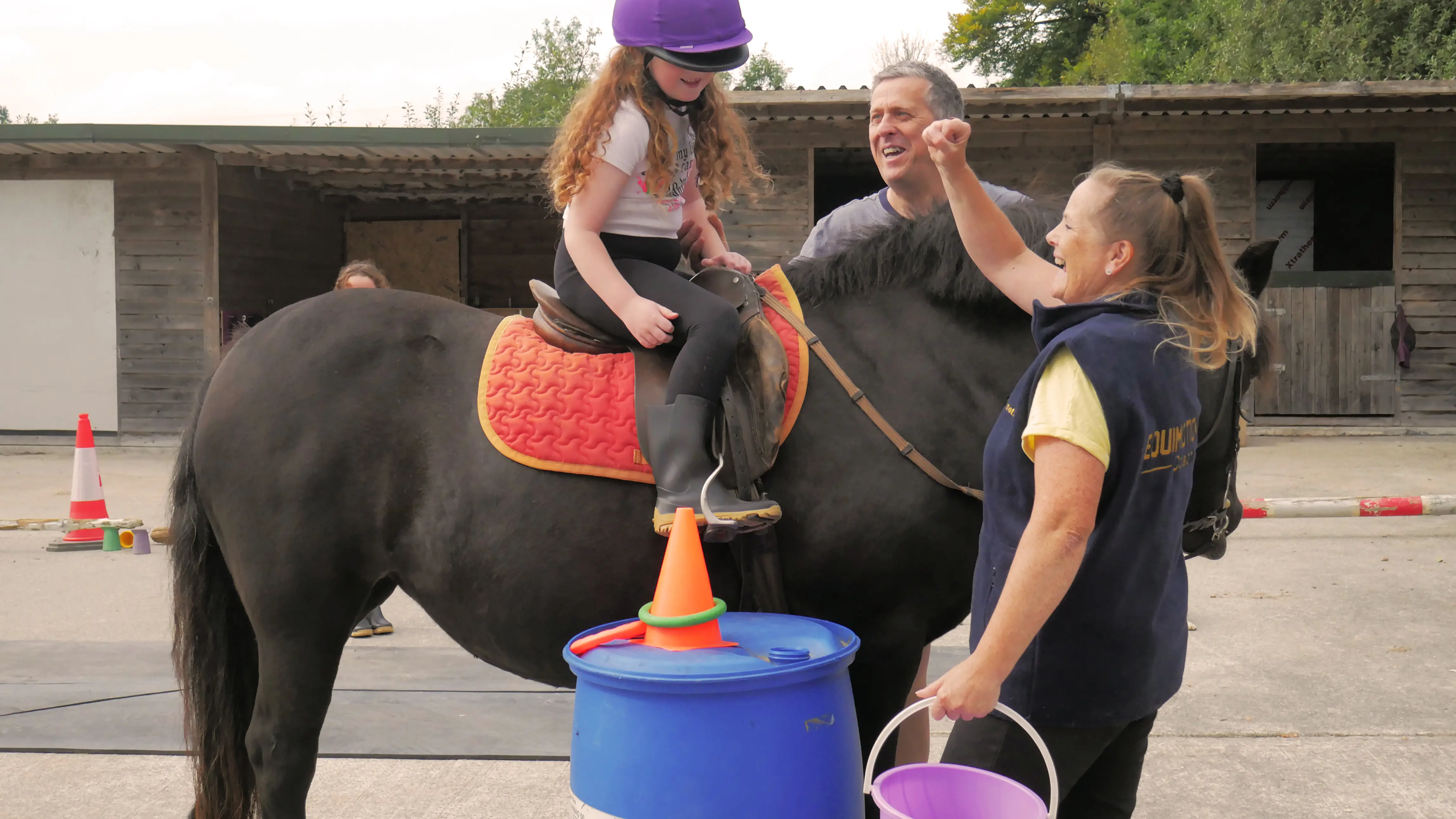
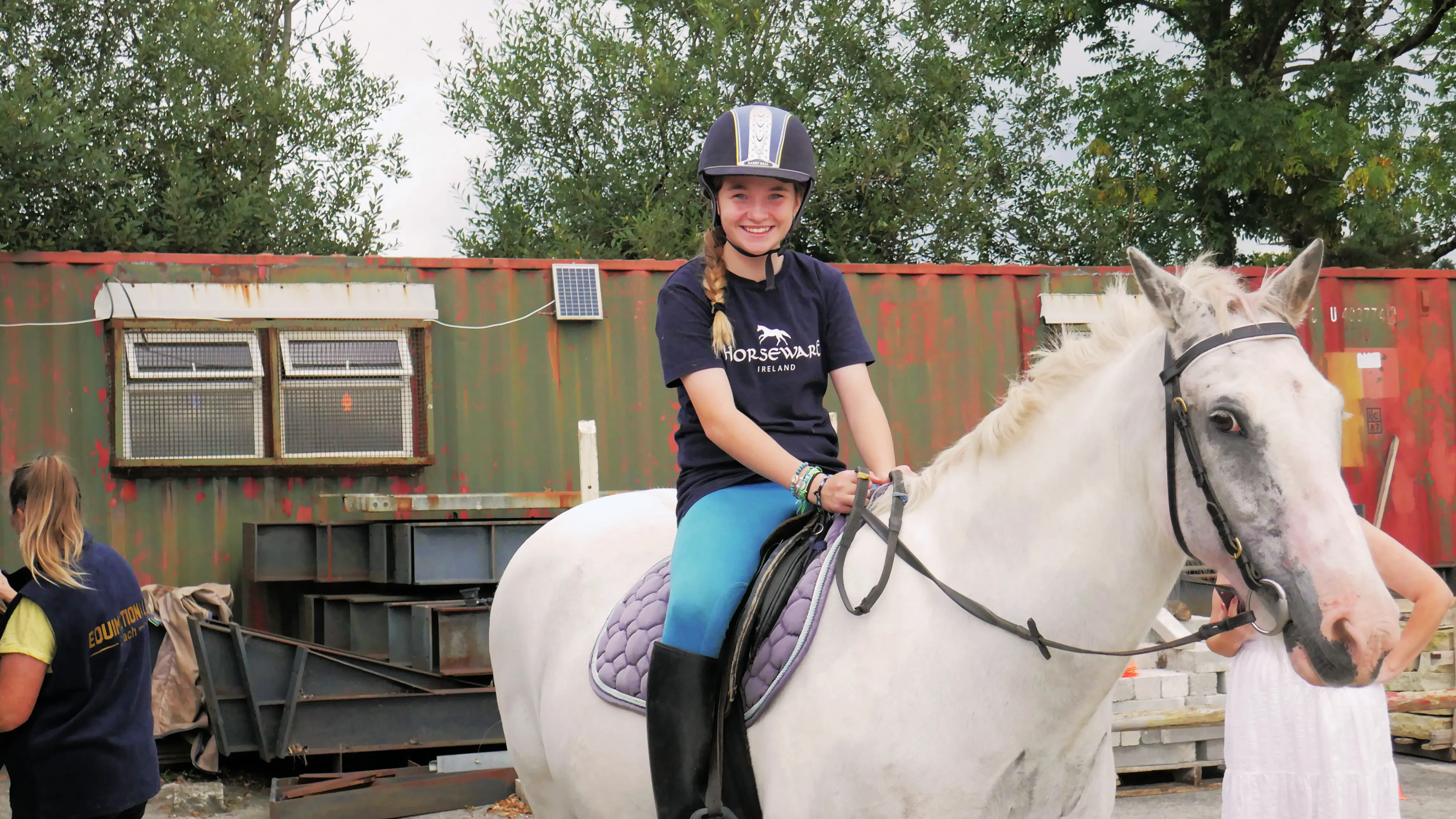
Equine Assisted Activities combine practical horse care tasks with therapeutic riding to support children's physical, emotional, and social development. This is the approach where your child actually gets up on the horse.
Activities include grooming, feeding, leading, stable management, and mounted sessions where your child rides with Majella's guidance and support. The riding element is what sets this approach apart from our Equimotional Wellbeing Coaching, where all the work happens on the ground.
Therapeutic riding isn't about teaching your child to become a rider. It's about what happens when they're on the horse. The rhythmic movement of the horse helps with core strength, balance, coordination, and sensory processing. At the same time, the experience of being up on a horse, controlling where it goes, and feeling that connection builds confidence in a way that's hard to replicate anywhere else.
Why Therapeutic Riding?
When your child sits on a horse, the horse's walking movement mimics the natural motion of human walking. This sends sensory input through your child's whole body, activating muscles, improving posture, and stimulating the vestibular system that controls balance and spatial awareness.
For children with low muscle tone, coordination difficulties, or sensory processing challenges, this kind of input is incredibly valuable. It's the same type of work a physiotherapist might target.
Children who struggle to sit still in a classroom often sit calmly and focused on a horse. Children who avoid physical activity at school will happily ride for a full session. The horse changes everything about how they engage.


Who benefits from this approach?
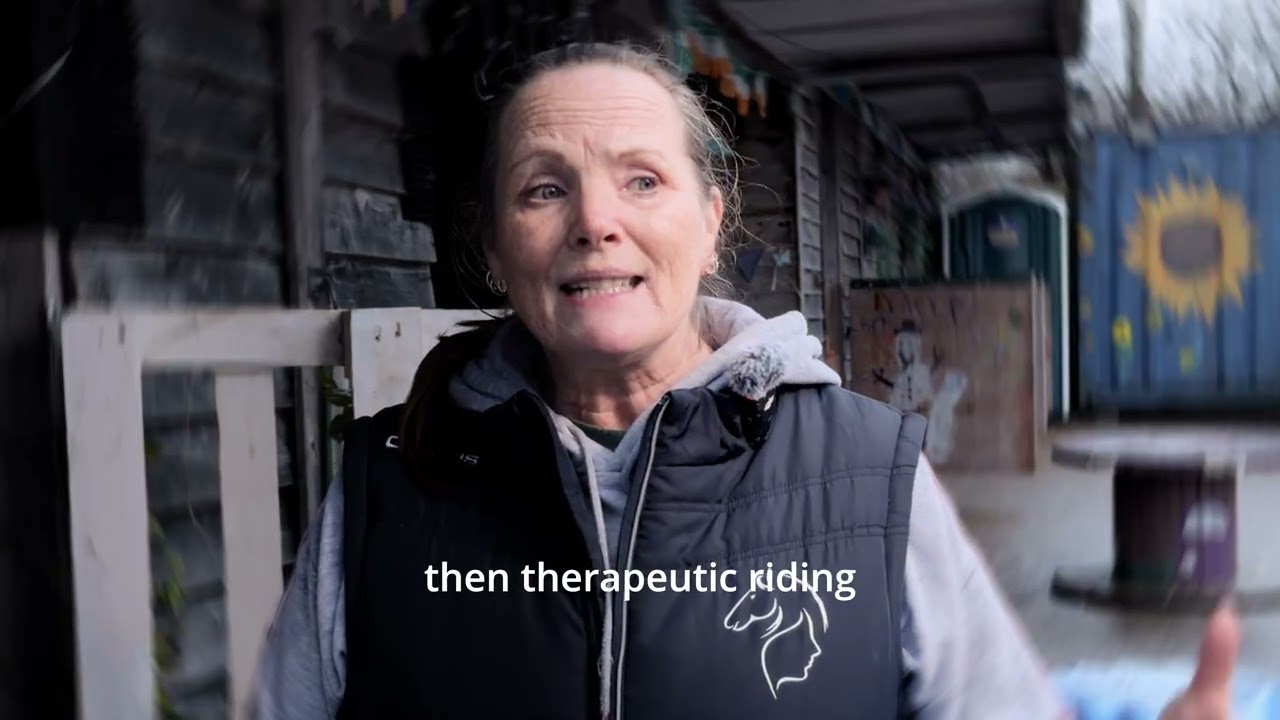
Majella uses Equine Assisted Activities with children and adults who benefit from the combination of physical riding and hands-on horse care. Here are the groups who respond best to this approach.
Children with Physical or Sensory Processing Needs
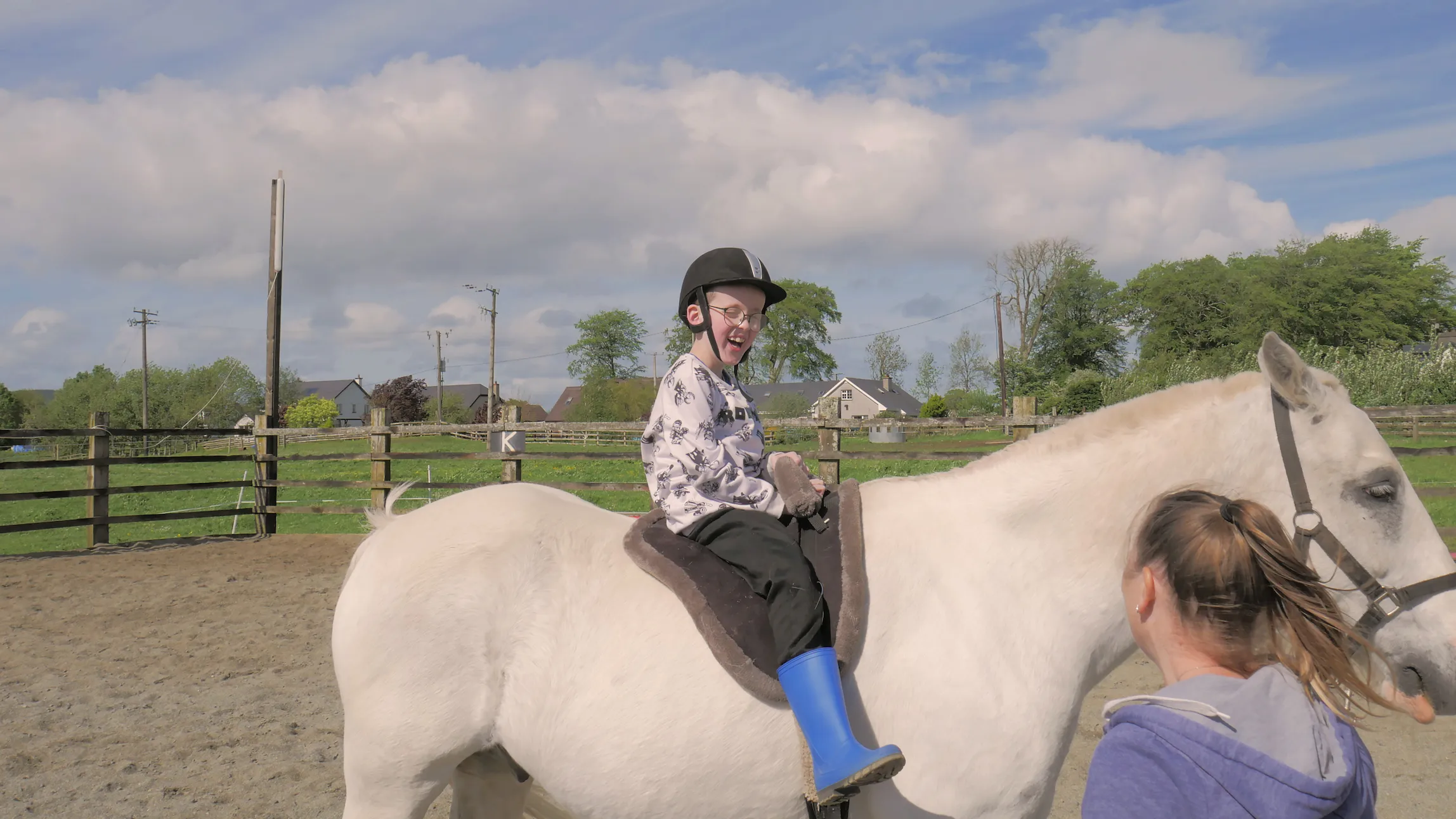
The riding element of Equine Assisted Activities is particularly effective for children with low muscle tone, coordination difficulties, dyspraxia, or sensory processing challenges. The movement of the horse provides deep sensory input that helps regulate their system, while the riding itself strengthens core muscles, improves posture, and develops balance.
Children who resist physical therapy exercises in clinical settings often take to therapeutic riding immediately because it doesn't feel like exercise. They're riding a horse, and the physical benefits happen naturally.
Children with ADHD or Attention Difficulties
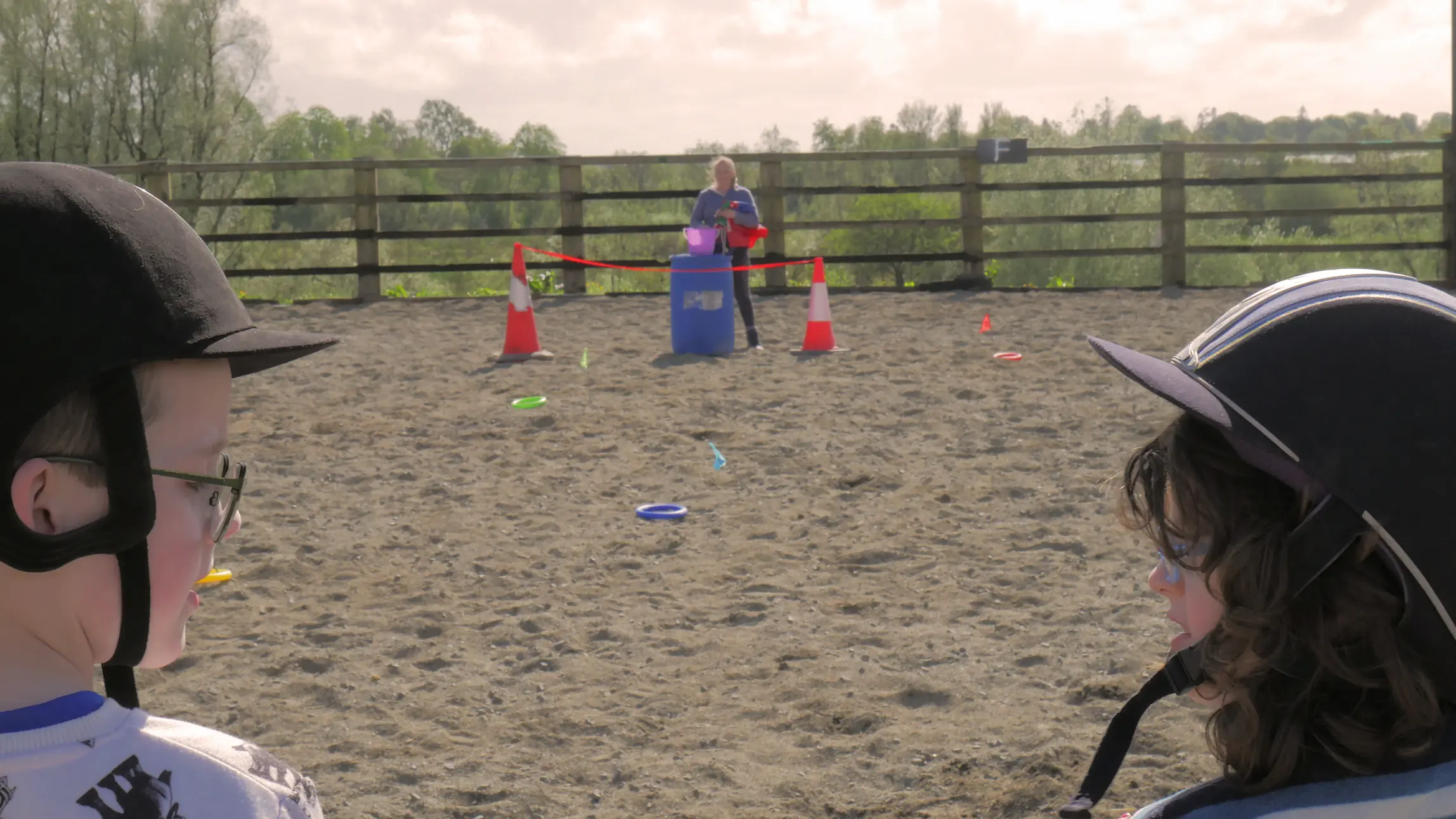
Children with ADHD often focus better when their body is engaged. Sitting on a horse, maintaining balance, and directing where the horse goes requires a level of concentration that holds their attention in ways a desk never will.
Combined with the structured ground activities like grooming and horse care, sessions give children a mix of movement and routine that suits how their brain works. Majella adjusts the balance of riding and ground work depending on your child's energy levels each session.
Children with Autism or Additional Needs
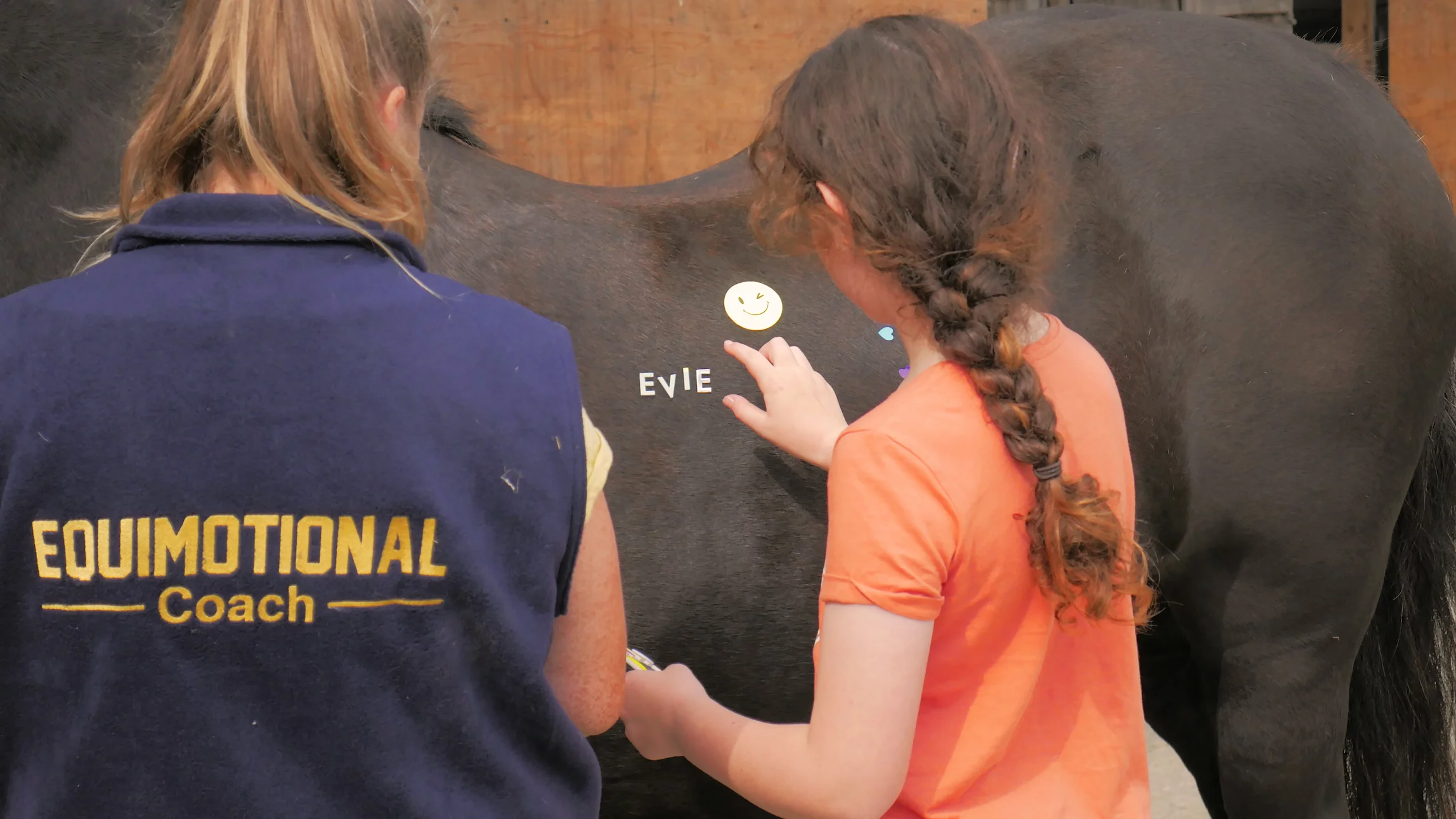
Many children on the autism spectrum respond well to the combination of predictable routines and sensory experiences that Equine Assisted Activities provide. The horse care tasks follow a clear sequence that gives children structure, while riding provides calming sensory input that helps with regulation.
Majella's background as a Special Needs Assistant means she understands how to adapt every part of the session to your child's communication style, sensory preferences, and comfort level. Some children ride from the first session. Others take weeks to feel ready. Both are completely fine.
What happens in a session?

Preparation and Horse Care
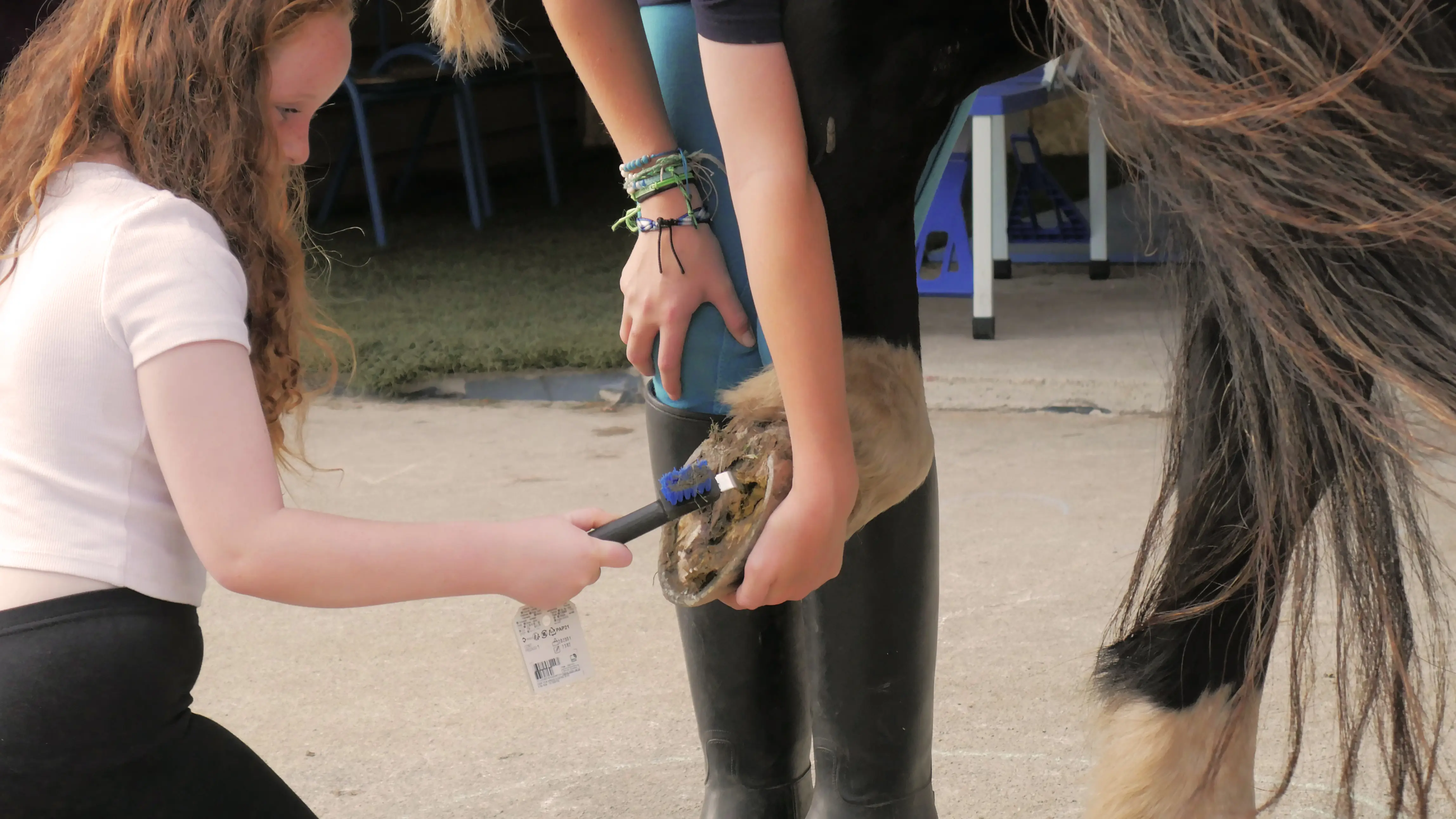
Your child starts by helping to get the horse ready. Collecting grooming tools, brushing the horse, checking hooves, and preparing for the session.
Riding and Activities
Depending on your child's goals and comfort level, the session includes mounted work where your child rides with Majella's support, along with ground-based activities like leading, obstacle courses, or further horse care.
Winding Down
Your child helps settle the horse back in after the session, puts equipment away, and says goodbye. Majella has a quick word with you about how things went and what she noticed.
What Makes This Approach Different?
Physical and Emotional Benefits Combined
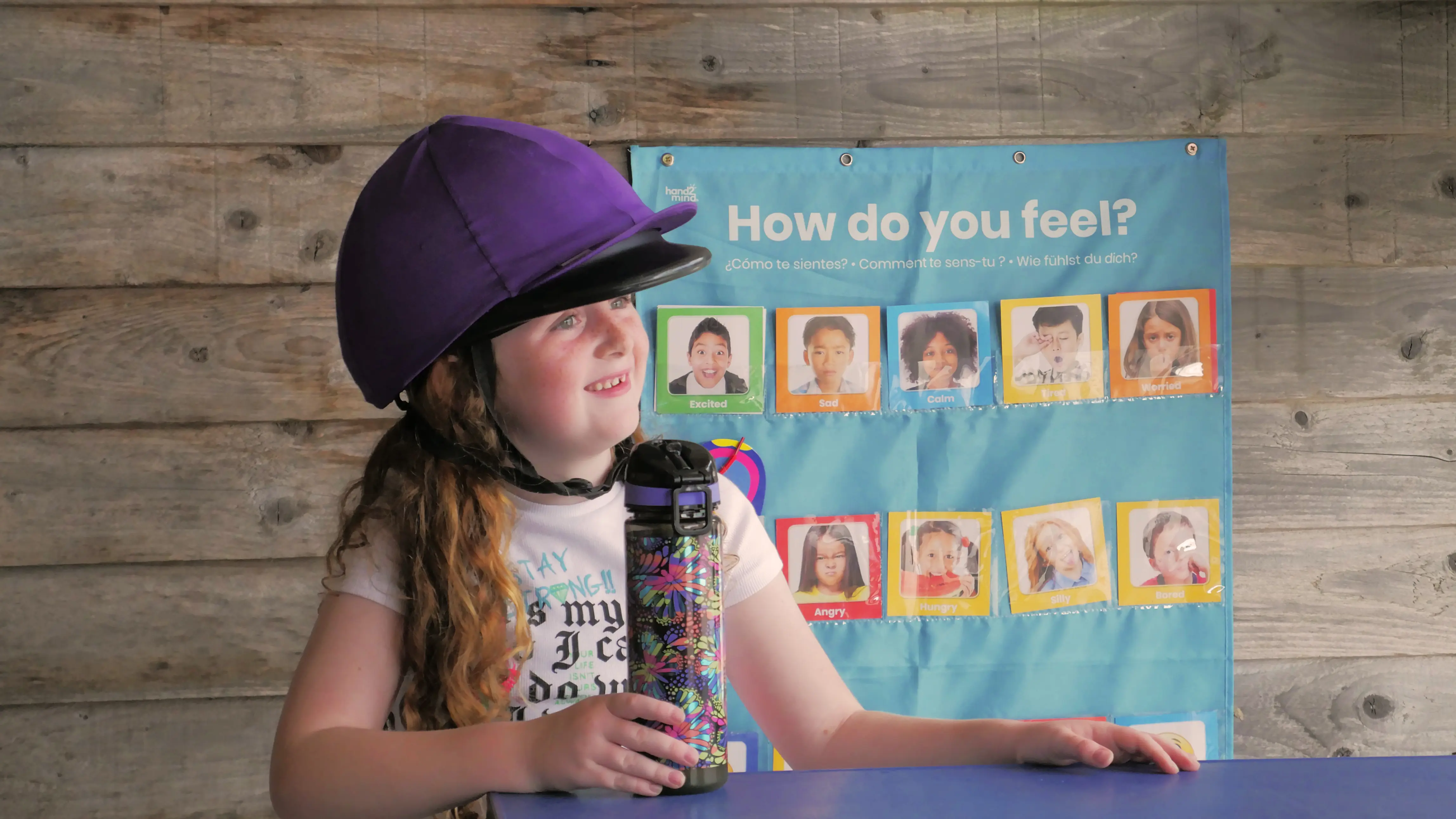
Most approaches work on either the body or the emotions. Equine Assisted Activities do both at the same time. While your child rides, they're building core strength, improving coordination, and getting sensory input that helps regulate their nervous system.
While they care for the horse on the ground, they're developing responsibility, empathy, and communication skills. The two elements work together, and the combination is what makes this approach so effective for children with complex needs.
Real Skills
Balancing on a moving horse strengthens muscles your child uses every day. Caring for an animal teaches them to follow through on a task because someone depends on it. Giving a horse a clear, calm command builds the same communication skills they need in school and with friends.
These are practical abilities your child develops through every session, and parents see them show up at home, in the classroom, and in social situations, often within the first few weeks.