What is EAL?
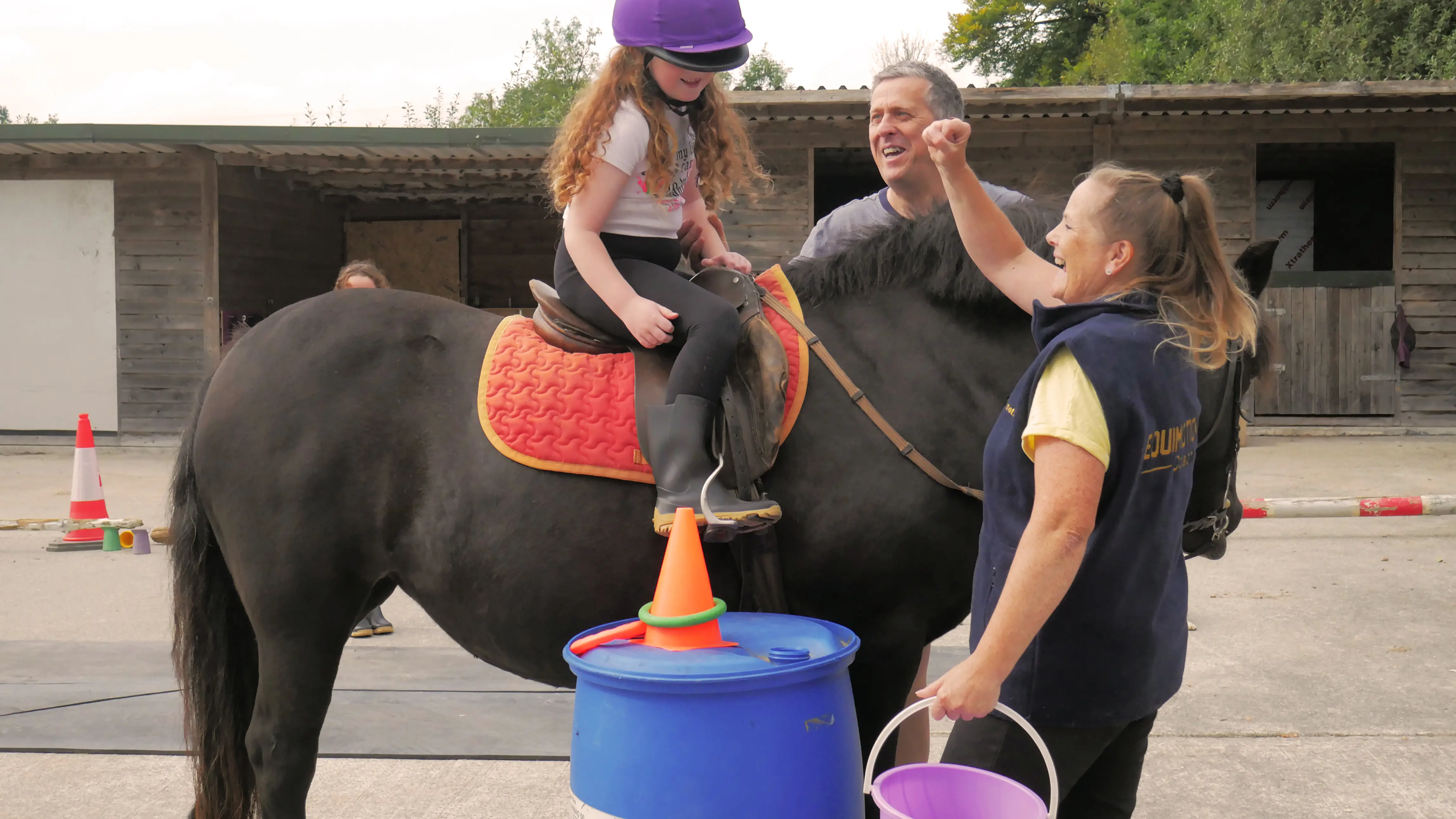
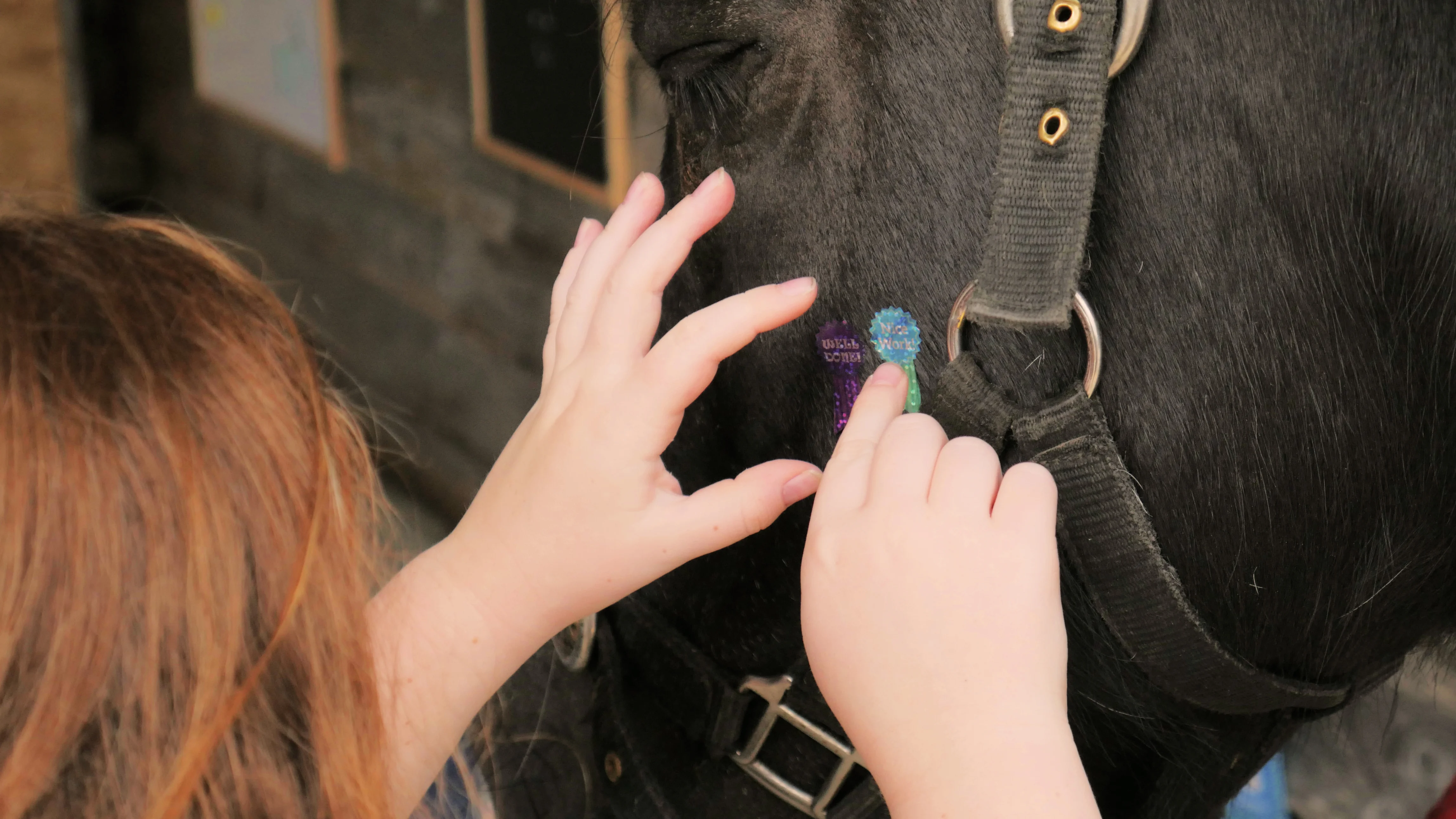
EAL is hands-on learning with horses. On the ground, no riding involved. You work alongside the horse through activities like grooming, leading, and simple challenges. Horses are honest. They respond to your body language and energy straight away, which helps you notice things about yourself you might not see otherwise.
Healthy Decision Making
The goal is to promote healthy decision making, problem solving, self‑awareness, empathy, communication and coping with emotions.
The horse becomes a non‑judgemental partner; its size commands respect and its sensitive nature provides immediate feedback to the person’s behaviour. Sessions are unmounted and do not require any riding experience, the focus is on building connection and confidence through shared tasks.


Who is EAL For?
EAL can support people who feel overwhelmed easily or struggle to settle in busy environments.
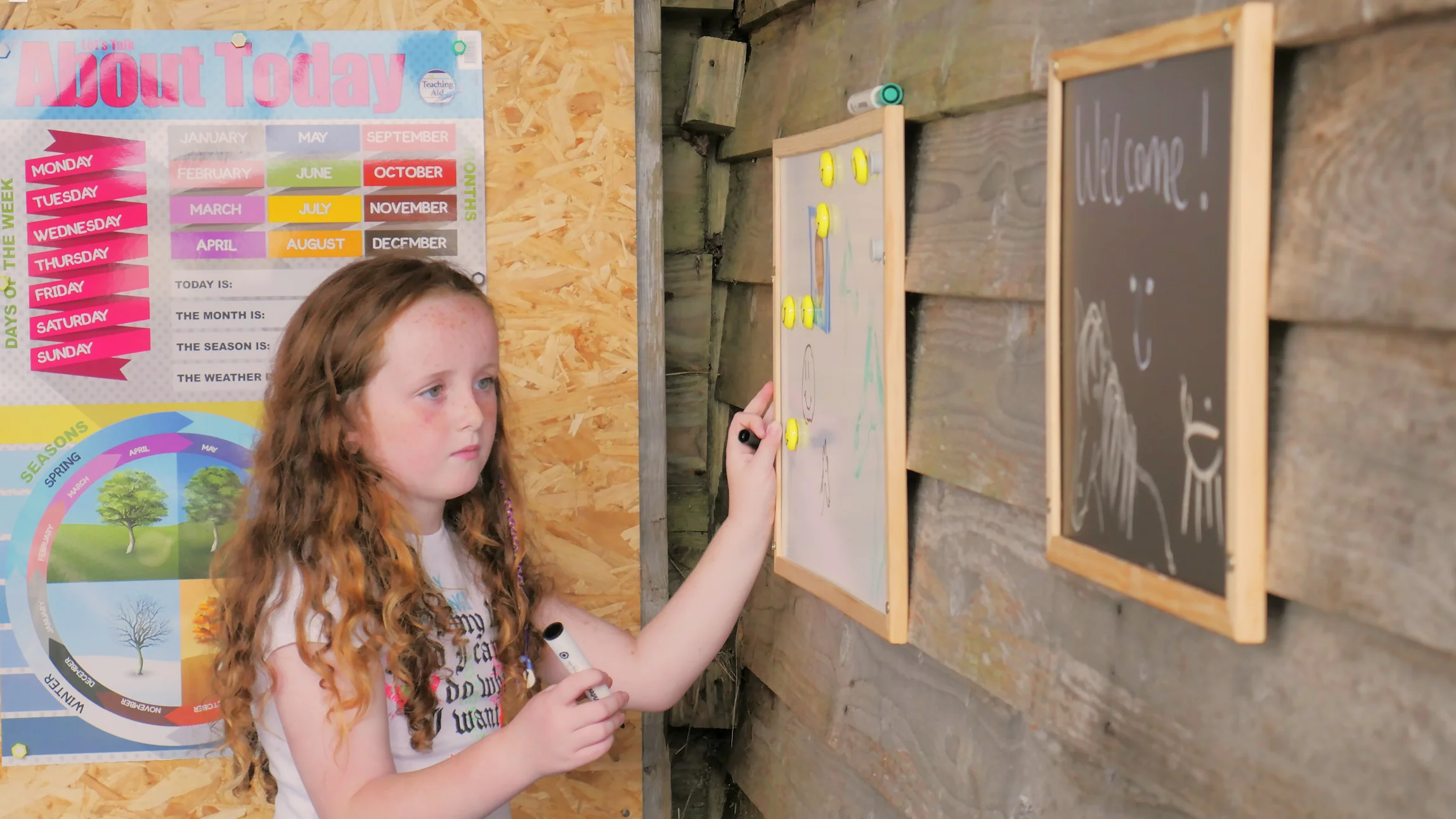
Children and Teens with Autism or ADHD
Many children with autism find verbal communication and social situations overwhelming, yet they respond well to the clear, non-verbal cues involved in leading and caring for a horse. There's no small talk, no confusing social rules, just honest interaction.
Young people with ADHD often benefit from the structure and focus required to work with a horse. Grooming and leading require concentration and organisation, which can translate into better executive functioning over time.
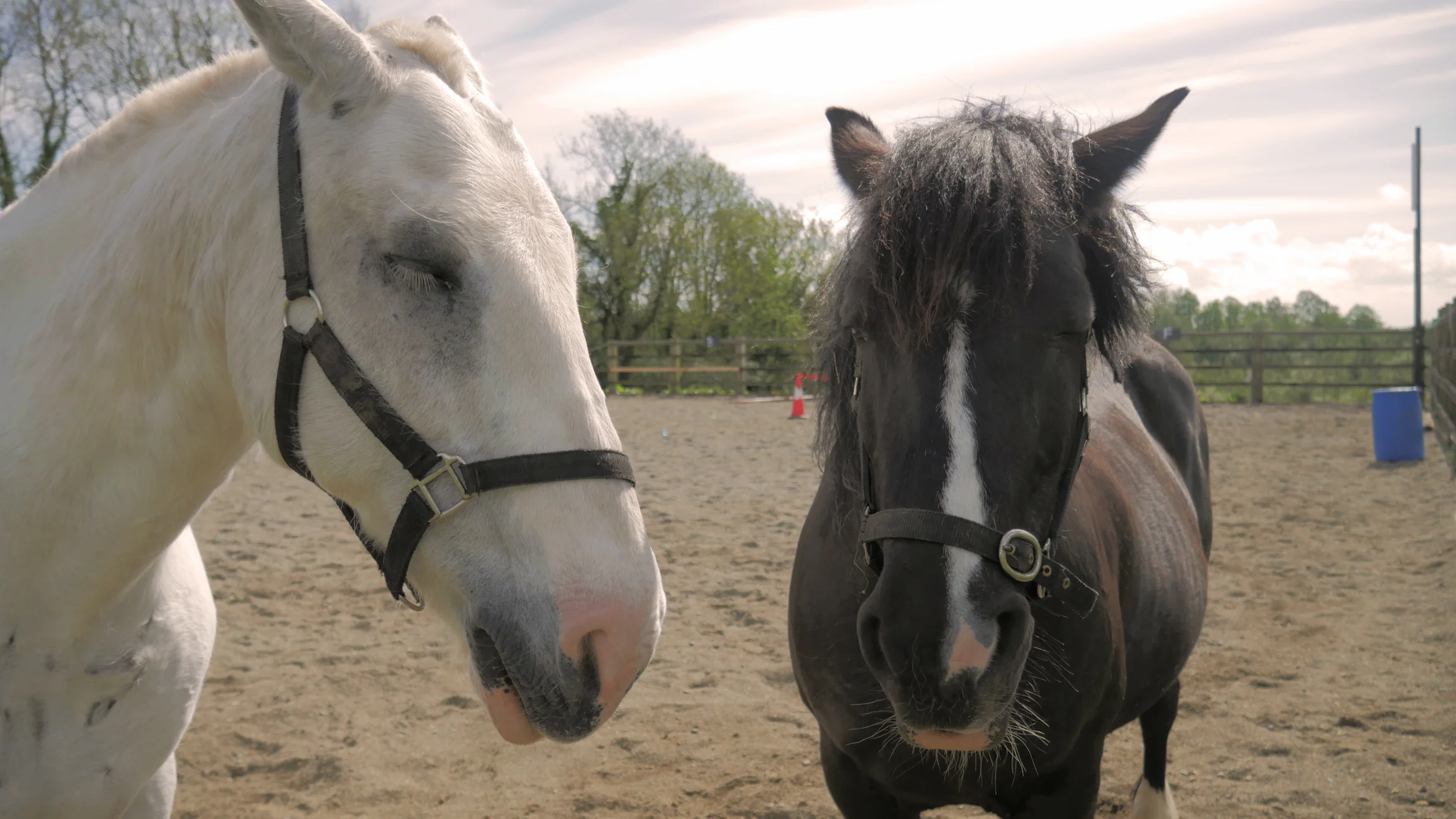
Anyone Struggling with Anxiety or Big Emotions
The calm presence of a horse can help reduce anxiety and create space for emotional regulation. Horses live completely in the moment, they're not worried about what happened yesterday or what might happen tomorrow.
Being around them teaches you to do the same. For children or adults who feel constantly on edge, time with our horses offers a reset that's hard to find elsewhere.
.webp)
Those Who Learn Better by Doing
Some people simply don't thrive in traditional talking approaches. If you or your child learns best through movement and hands-on activity rather than sitting and discussing,
EAL might be the approach that finally clicks. The horses don't care about diagnosis labels or what's written in a report, they respond to who you are in the moment.
What happens in an EAL session?

Getting Comfortable
First visit, we explore the yard and meet the horses. No agenda beyond settling in. We cover basic safety and grooming so you feel at ease. Some people connect immediately; others need a few visits. No rush.
Building Through Activities
Following sessions build through structured activities, setting up obstacle courses, grooming routines. Throughout, I invite reflection on how the horse responds. Their posture and movement offer immediate feedback.
Taking It Home
Parents tell me their child is calmer after sessions, sleeps better, handles difficult moments more easily. Adults notice they're more patient, more present.
What Makes EAL Different
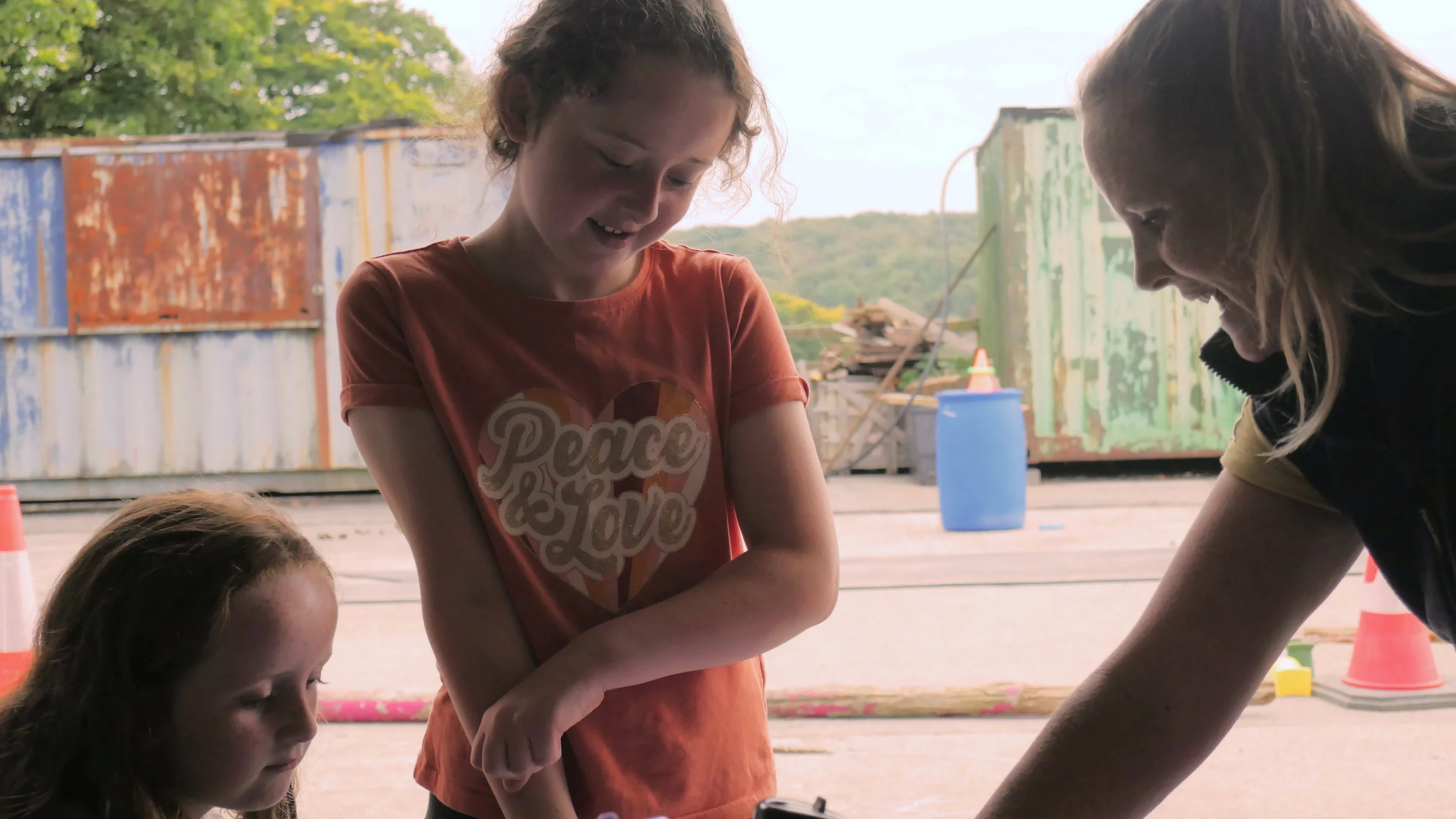
The Horse Gives Honest Feedback
A horse doesn't pretend. If you're tense, distracted, or unsure, the horse shows you, not to judge, but because that's how they communicate. You learn to read yourself through their response. No worksheet or conversation can replicate that.
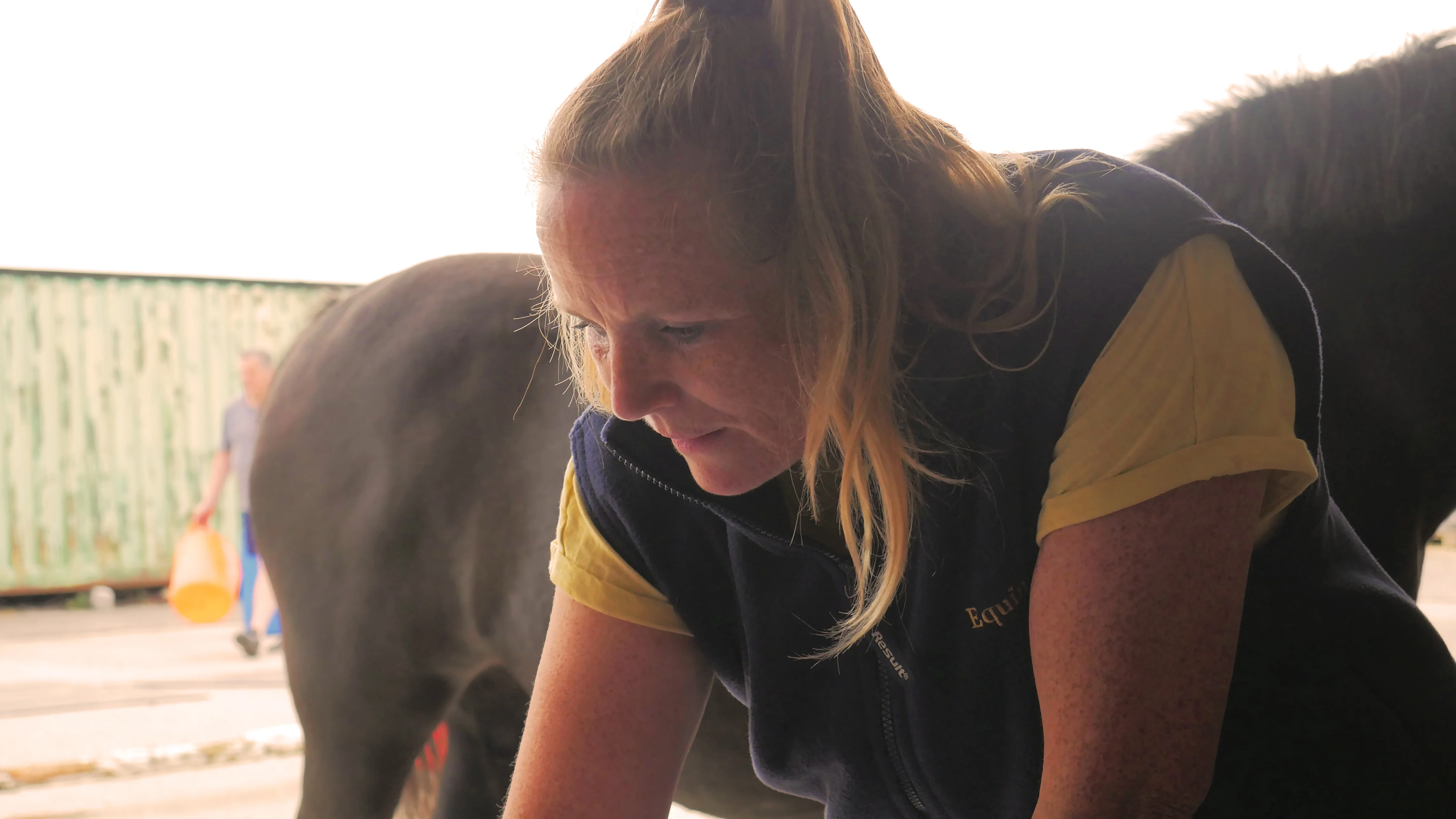
Learning Happens in the Body
EAL isn't about understanding emotions intellectually, it's about feeling them, noticing them, and learning to manage them in real time. The skills stick because you've lived them, not just talked about them.